

Free Download From Third World to First by Lee Kuan Yew PDF
Explore the remarkable journey of Singapore’s transformation in Lee Kuan Yew’s memoir, From Third World to First. Insights on leadership and national development.
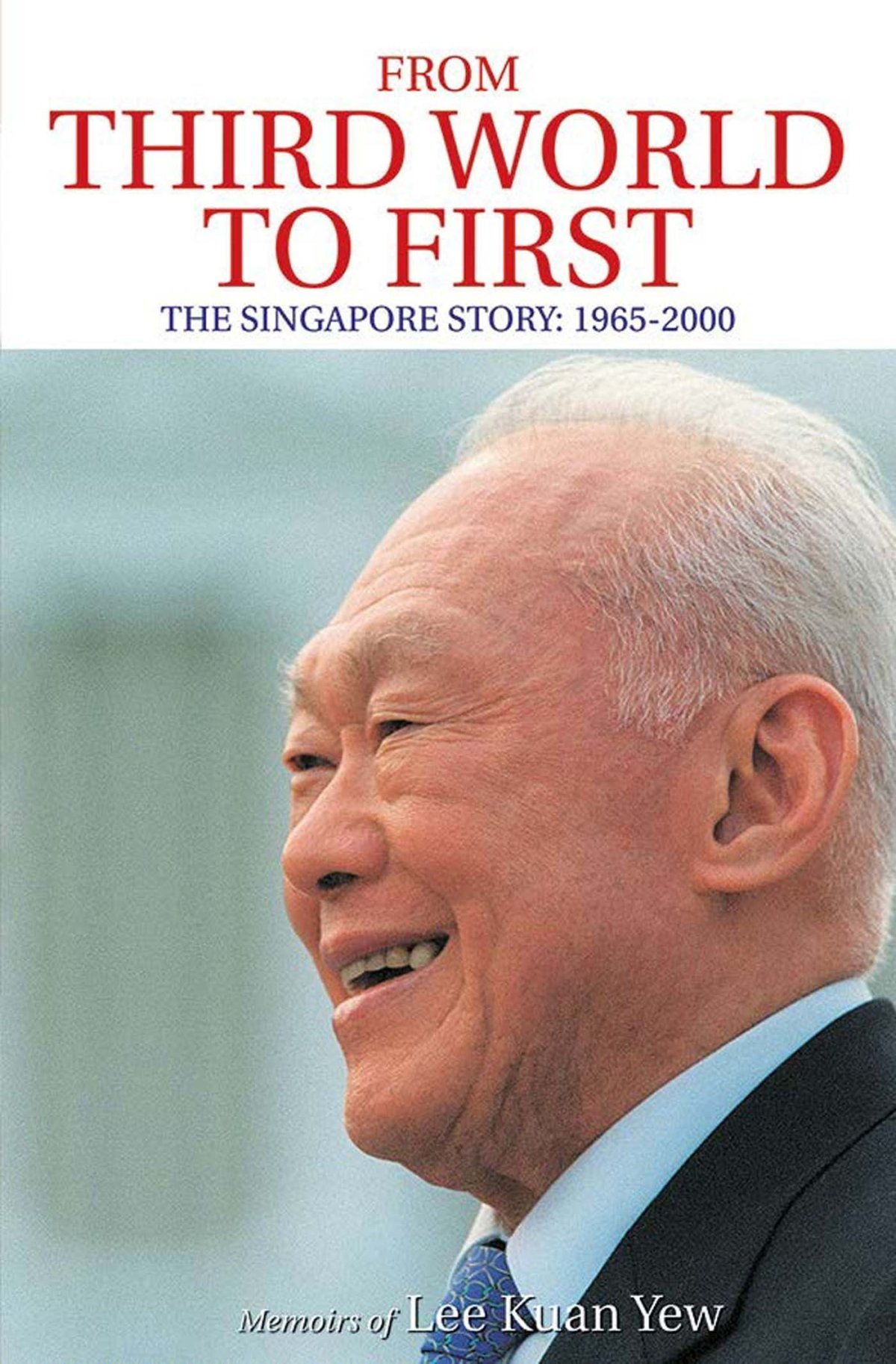
Lee Kuan Yew’s From Third World to First is more than just a historical account; it is an essential manual for anyone interested in leadership, governance, and the mechanics of rapid national development. As the founding father of modern Singapore, Lee Kuan Yew provides a firsthand perspective on how a small island nation with no natural resources and a diverse, divided population transformed into a global financial hub in just a few decades. This memoir serves as a testament to the power of vision, discipline, and pragmatic decision-making in the face of overwhelming odds.
The Starting Point: A Nation in Crisis
The narrative begins in 1965, a pivotal year when Singapore was unexpectedly thrust into independence after its separation from Malaysia. At the time, the outlook was bleak. The country faced high unemployment, a lack of housing, and significant threats from regional instability. Lee Kuan Yew describes the immense pressure of ensuring the survival of two million people who lacked a common identity or a clear economic future. The book details how the early leadership team had to innovate out of necessity, rejecting conventional wisdom to forge a unique path forward that prioritized stability and economic viability above all else.
Economic Transformation and Global Integration
One of the most compelling aspects of the book is Lee’s explanation of Singapore’s economic strategy. Instead of following the protectionist trends common in many post-colonial states, Singapore chose to embrace the global market. By creating a business-friendly environment and investing heavily in infrastructure, the government successfully courted multinational corporations. This strategy not only brought in much-needed capital but also transferred vital technical skills to the local workforce. Lee emphasizes that meritocracy and the rule of law were the cornerstones of this growth, ensuring that investors felt secure and that the most capable individuals were leading the nation’s key institutions.
Social Stability and Human Capital
Beyond economics, Lee Kuan Yew highlights the importance of social cohesion in a multicultural society. The book explores the implementation of the Central Provident Fund and the massive public housing programs that turned a nation of squatters into a nation of homeowners. Lee believed that citizens who owned a stake in their country would be more committed to its defense and success. Furthermore, the focus on bilingualism and a rigorous education system ensured that the next generation was equipped to compete on the world stage. These social policies were often controversial, but Lee defends them as necessary measures to maintain order and progress in a volatile region.
Leadership and Legacy
Throughout the text, Lee’s voice is characteristically blunt and unsentimental. He discusses his interactions with global leaders, from Richard Nixon to Deng Xiaoping, offering unique insights into the geopolitical shifts of the late 20th century. The book concludes by reflecting on the challenges that remain for Singapore as it maintains its status in an ever-changing world. For readers seeking to understand the intersection of politics and economics, this story offers invaluable lessons on how a clear-eyed assessment of reality can lead to extraordinary outcomes. It remains a foundational text for students of international relations, history, and aspiring statesmen alike who wish to understand how a leader's will can shape the destiny of a people.


Comments (0)