

Free Download Self Leadership and the One Minute Manager by Kenneth H. Blanchard PDF
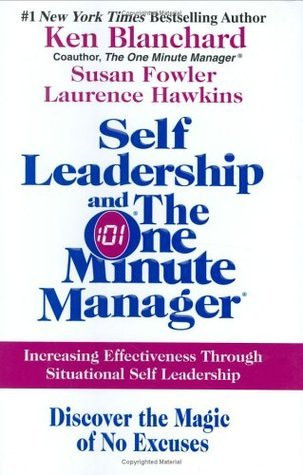
The concept of self-leadership is often the missing link in organizational productivity and personal career satisfaction. In the book Self Leadership and the One Minute Manager: Increasing Effectiveness Through Situational Self Leadership, Kenneth Blanchard, along with co-authors Susan Fowler and Laurence Hawkins, extends the world-renowned Situational Leadership II model to the individual level. The core premise is that individuals should not wait to be managed; instead, they must take the initiative to get the direction and support they need to succeed. This shift from a passive recipient of management to an active self-leader is what defines modern professional effectiveness and allows individuals to thrive in rapidly changing work environments.
The Shift from Victim to Victor
The narrative follows the story of Steve, an advertising executive who feels overwhelmed, undervalued, and unsupported by his management. Through his journey, the authors illustrate that many employees fall into the common trap of feeling like victims of their circumstances or their supervisors. The book introduces the radical idea that self-leadership is about unlearning the habit of waiting for permission. By applying the principles of Situational Self Leadership, individuals learn to diagnose their own development level on specific tasks and proactively seek the leadership style that matches their current needs, rather than complaining about the style they are receiving.
The Three Essential Skills of a Self Leader
The authors outline three distinct skills that empower individuals to take charge of their professional lives. These skills are designed to break down the internal and external barriers that prevent peak performance and personal growth.
- Challenge Assumed Constraints: Most people are held back by beliefs that limit their potential. An assumed constraint is a belief based on a past experience that limits current and future possibilities. Self-leaders learn to identify these mental roadblocks and flip them into opportunities for growth by asking, "What if this isn't true?"
- Celebrate Points of Power: Many employees feel powerless because they do not hold a high-ranking title. However, the book identifies five points of power: knowledge power, personal power, relationship power, task power, and position power. Recognizing and utilizing these different sources of influence allows individuals to navigate organizational hierarchies effectively regardless of their official rank.
- Collaborate for Success: This skill involves the proactive pursuit of the direction and support needed to achieve goals. Instead of waiting for a performance review, a self-leader identifies their development level and asks for the corresponding leadership style from their manager, ensuring they have the resources to succeed.
Understanding Development Levels and Leadership Styles
A significant portion of the book is dedicated to the Situational Leadership II (SLII) model adapted for the individual. This model posits that an individual's development level is a combination of competence and commitment. By understanding these levels, readers can better communicate their needs to those around them:
- D1 - Enthusiastic Beginner: Low competence but high commitment. The individual needs clear direction (S1) to get started correctly.
- D2 - Disillusioned Learner: Some competence but low commitment. The individual needs high direction and high support (S2) to push through the "learning dip."
- D3 - Capable but Cautious Performer: High competence but variable commitment. The individual needs high support but low direction (S3) to build confidence.
- D4 - Self-Reliant Achiever: High competence and high commitment. The individual needs delegation and autonomy (S4) to maintain peak performance.
Conclusion
By mastering the art of self-leadership, professionals can transform their relationship with their work and their superiors. Self Leadership and the One Minute Manager provides a practical framework for anyone looking to increase their effectiveness. It emphasizes that the responsibility for success lies within the individual, providing a roadmap to move from dependence to independence. For those seeking to enhance their career trajectory and personal accountability, understanding these principles is an essential step toward becoming a proactive and indispensable asset to any organization. The transition from being a follower to a self-leader is not just a professional upgrade; it is a fundamental shift in mindset that fosters resilience and long-term success.


Comments (0)