

Free Download The Innovator's Dilemma by Clayton M. Christensen PDF
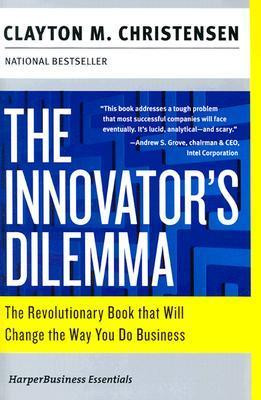
The Innovator’s Dilemma by Clayton M. Christensen is frequently cited as a mandatory read for anyone involved in corporate strategy or entrepreneurship. The book addresses the paradox of why great companies fail even when they follow sound business practices. Christensen argues that the very management techniques that allow companies to become leaders in their industry also make it difficult for them to develop the disruptive technologies that ultimately steal their market share. This analysis provides a framework for understanding how industry leaders are frequently blindsided by smaller, more agile competitors who leverage simpler and more affordable innovations.
The Distinction Between Sustaining and Disruptive Innovation
At the heart of Christensen's thesis is the distinction between two types of innovation. Sustaining innovations are those that improve the performance of established products along dimensions that mainstream customers have historically valued. These are the incremental improvements that companies make to satisfy their most demanding customers. Because these innovations typically lead to higher margins, established firms are highly motivated to pursue them. On the other hand, disruptive innovations often start as inferior products that appeal to a different, less profitable, or entirely new customer base. Because they offer lower performance in traditional metrics, incumbent firms often dismiss them as irrelevant or non-threatening in the short term.
The dilemma occurs when these disruptive technologies eventually improve. Over time, the performance of the disruptive product increases to the point where it meets the needs of the mainstream market, all while maintaining the advantages of being cheaper, smaller, or more convenient. By this point, the incumbent is trapped. They cannot easily move down-market because their cost structure is built for high-end, high-margin products, and their resource allocation processes are tuned to serve their existing, powerful customers. Consequently, the new entrant displaces the leader, not by building a better version of the old product, but by changing the definition of what the market values.
Why Good Management Can Lead to Failure
Christensen identifies several reasons why traditional management fails in the face of disruption. Managers must understand these core principles to navigate industry shifts effectively:
- Resource Dependence: Companies are dependent on customers and investors for resources. Managers have limited freedom to invest in projects that do not meet the immediate needs of these stakeholders.
- Small Markets: Disruptive technologies often provide products for small or emerging markets that do not solve the growth needs of large, established corporations.
- Analysis vs. Discovery: Markets that do not exist cannot be analyzed. Managers accustomed to data-driven decision-making struggle with the trial-and-error approach required for disruptive ventures.
- Technology Supply vs. Market Demand: Technology often progresses faster than market demand. Products that were once "not good enough" for the mainstream eventually exceed what the average user requires, leaving an opening for simpler alternatives.
To survive, Christensen suggests that companies must create independent organizations to pursue disruptive technologies. These smaller units can be excited about small wins and can develop the new cost structures and values necessary to compete in the emerging market. This allows the parent company to continue serving its core customers while the subsidiary explores the future without being weighed down by legacy expectations.
Final Thoughts on Christensen’s Legacy
Decades after its release, The Innovator’s Dilemma remains a vital guide for navigating the complexities of the modern economy. Whether it is the shift from physical media to streaming, or the transition from internal combustion engines to electric vehicles, the patterns Christensen described continue to play out across every sector. By understanding these dynamics, business leaders can better prepare for the inevitable shifts in their industries and learn to embrace the very innovations that might otherwise threaten their existence. The book serves as a powerful reminder that in business, the greatest risk is often doing everything right for too long while the world changes around you.


Comments (0)