

Free Download The Intelligent Investor by Benjamin Graham PDF
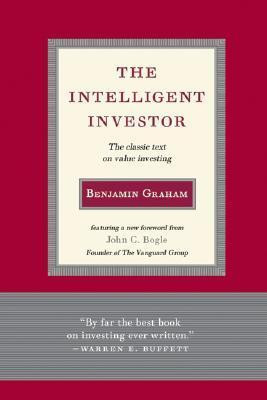
Benjamin Graham’s The Intelligent Investor remains the definitive guide to value investing, a philosophy that has guided some of the world's most successful financial minds, including Warren Buffett. First published in 1949, the book provides a framework for understanding the stock market not as a gambling arena, but as a mechanism for long-term wealth creation. Graham’s approach emphasizes fundamental analysis and the psychological discipline required to navigate market fluctuations without succumbing to emotional impulses.
The Philosophy of Value Investing
At the heart of Graham’s teachings is the concept of value investing. This strategy involves identifying stocks that are trading for less than their intrinsic value. Graham argues that the market often misprices securities due to irrational optimism or pessimism. By focusing on the underlying business rather than short-term price movements, an investor can capitalize on these discrepancies. A central pillar of this philosophy is the margin of safety. This principle suggests that an investor should only purchase a security when its price is significantly below its calculated value, providing a buffer against errors in judgment or unforeseen market downturns.
Mr. Market and Emotional Discipline
One of the most famous allegories in financial literature is Graham’s introduction of Mr. Market. He describes the market as a business partner who offers to buy or sell stocks every day at different prices. Sometimes Mr. Market is euphoric and sets high prices; other times he is depressed and sets them very low. Graham’s lesson is that the intelligent investor should not be swayed by Mr. Market’s moods. Instead, the investor should take advantage of them—buying when Mr. Market is pessimistic and selling when he is overly optimistic. This requires a level of emotional detachment that distinguishes the professional from the speculator.
Defensive vs. Enterprising Investors
Graham categorizes investors into two distinct groups: the defensive and the enterprising. The defensive investor seeks to avoid serious mistakes or losses while aiming for freedom from effort and frequent decision-making. For this group, Graham recommends a diversified portfolio of high-quality stocks and bonds, emphasizing consistency over high returns. In contrast, the enterprising investor is willing to devote time and effort to searching for undervalued securities. This individual must possess the analytical skills and patience to identify opportunities that the broader market has overlooked. Both paths require a commitment to the principles of value, though they differ in the intensity of management required.
The Enduring Relevance of Graham’s Logic
Despite being written decades ago, the core tenets of The Intelligent Investor are as relevant today as they were in the mid-20th century. While the specific industries and financial instruments have evolved, human psychology remains the same. The tendencies toward greed and fear continue to drive market cycles, making Graham’s focus on rational analysis and risk management essential for anyone looking to build a sustainable investment portfolio. By studying this classic text, readers gain more than just financial techniques; they acquire a mindset geared toward resilience and long-term success.
Conclusion
Whether you are a novice looking to understand the basics or a seasoned professional seeking to refine your strategy, this text offers timeless wisdom. The book does not promise quick riches but instead provides a roadmap for protecting capital and achieving steady growth. It challenges the reader to look beyond the headlines and focus on the tangible value of assets. In an era of high-frequency trading and volatile market trends, Graham’s disciplined approach serves as a necessary anchor for the modern investor.


Comments (0)