

Free Download The Problem of Pain by C.S. Lewis PDF
Explore C.S. Lewis’s profound theological insights on suffering and faith. Learn why The Problem of Pain remains a vital text for understanding theodicy.
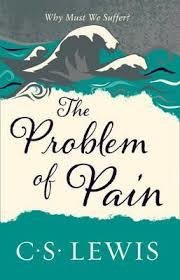
The intersection of faith and suffering has long been one of the most challenging hurdles for believers and skeptics alike. In his seminal work, The Problem of Pain, C.S. Lewis tackles this profound dilemma with the intellectual rigor and imaginative clarity that defined his career as an apologist. Originally published in 1940, this book remains a cornerstone of Christian literature, offering a logical framework for understanding why an all-powerful, all-loving God permits the existence of physical and emotional agony.
The Intellectual Challenge of Suffering
Lewis begins by addressing the classic syllogism: If God were good, He would wish to make His creatures perfectly happy, and if God were almighty, He would be able to do what He wished. But the creatures are not happy. Therefore, God lacks either goodness, or power, or both. Lewis does not shy away from this logic. Instead, he dismantles it by re-examining our definitions of "omnipotence" and "goodness." He argues that omnipotence does not mean the ability to do the intrinsically impossible, such as creating a world with free will where no one ever chooses wrongly. By framing the discussion around the necessity of a stable environment for human agency, Lewis provides a compelling starting point for his defense.
Divine Love Versus Human Kindness
One of the most striking chapters in the book explores the nature of divine love. Lewis suggests that our modern conception of "love" is often conflated with mere "kindness"—a desire to see people comfortable. However, he posits that God’s love is a more demanding, transformative force. Like an artist who takes pains with a masterpiece or a father who disciplines a child, God’s love is focused on the ultimate perfection of the beloved rather than their immediate ease. In this context, pain becomes a "megaphone" used by God to rouse a deaf world, compelling individuals to look beyond their own self-sufficiency.
The Reality of Human Wickedness
Central to Lewis's argument is the concept of the Fall and human depravity. He asserts that a significant portion of human suffering is not "sent" by God but is the direct result of human choices. The abuse of free will leads to systemic injustice, war, and personal cruelty. By acknowledging the reality of sin, Lewis places the responsibility for much of the world's pain back onto the shoulders of humanity. This perspective shifts the narrative from a critique of divine management to a call for personal and collective repentance. He argues that the existence of pain is often the only thing that can break the "illusion of self-sufficiency" that prevents humans from seeking their Creator.
Addressing Complex Questions
The book does not ignore the more difficult aspects of theodicy. Lewis includes chapters on:
- Animal Pain: Acknowledging the difficulty of explaining suffering in beings that lack a moral soul.
- The Doctrine of Hell: Defending the necessity of a final separation for those who resolutely refuse the divine.
- Heaven: Providing the "eternal weight of glory" that puts earthly suffering into perspective.
Lewis admits that his solutions for animal pain are speculative, yet his willingness to engage with the topic demonstrates his commitment to a comprehensive worldview.
Why This Work Remains Essential
For those seeking to download The Problem of Pain by C.S. Lewis PDF, the text serves as more than just a theological exercise. It is a source of comfort for the mind. While Lewis later wrote A Grief Observed to process the raw emotion of loss, this volume provides the intellectual foundation necessary to sustain faith during periods of calm. It is a must-read for students of philosophy, theology, and anyone grappling with the "why" behind the hardships of life. By integrating logic with a deep understanding of the human condition, Lewis ensures that his defense of theism remains as relevant today as it was during the height of the Second World War.



Comments (0)