

Free Download How to Read Literature Like a Professor by Thomas C. Foster PDF
Unlock the secrets of literary analysis with Thomas C. Foster's guide. Learn to identify symbols, patterns, and themes in classic and modern fiction.
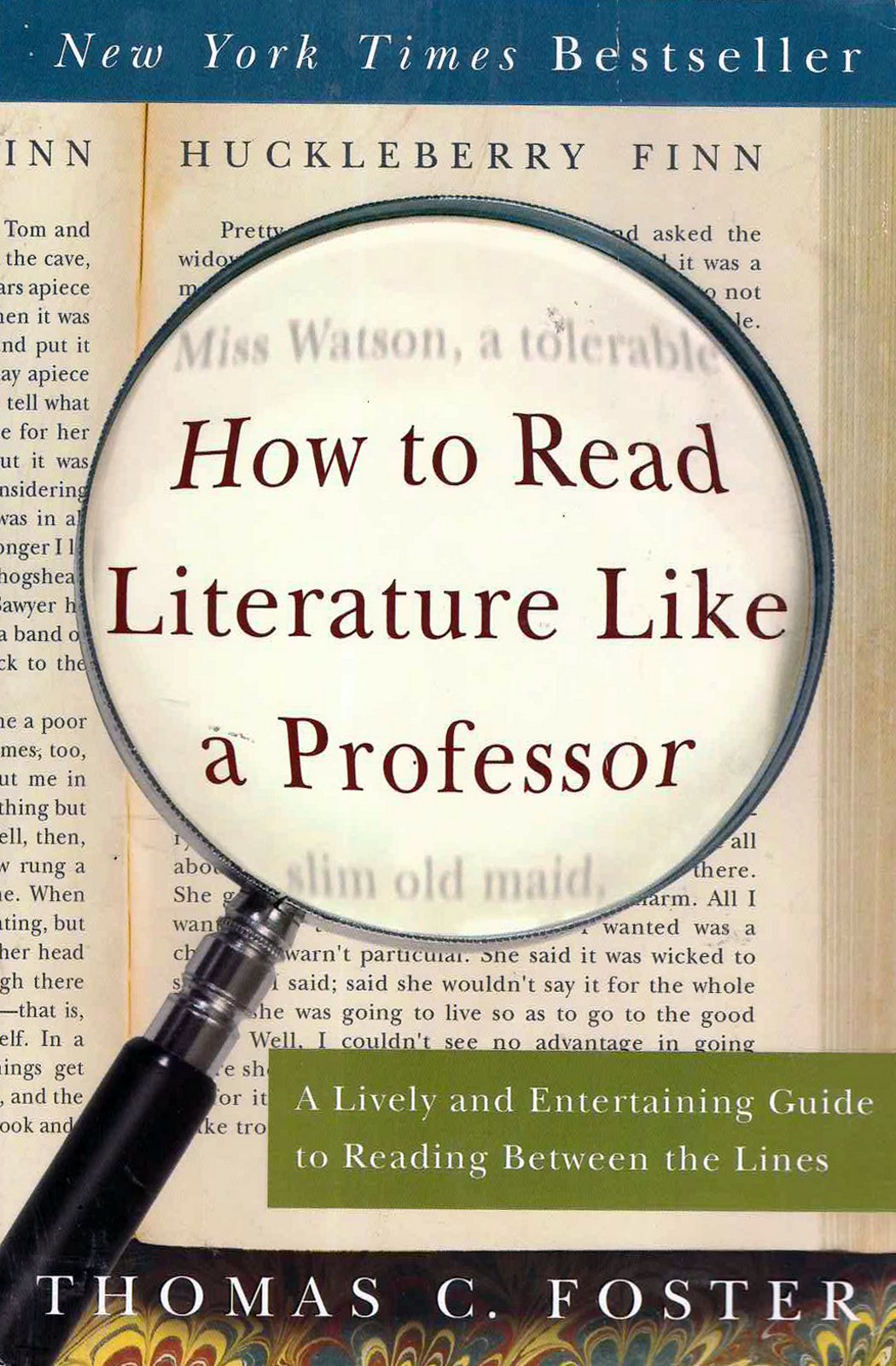
For many readers, picking up a classic novel or a contemporary masterpiece can feel like a straightforward experience. You follow the plot, engage with the characters, and enjoy the prose. However, there is often a nagging sense that something deeper is happening beneath the surface—a layer of meaning that remains just out of reach. Thomas C. Foster’s How to Read Literature Like a Professor serves as an essential roadmap for anyone looking to bridge the gap between casual reading and academic analysis. By demystifying the tools used by literary critics, Foster provides a lively and entertaining guide to reading between the lines.
The Grammar of Literature
Foster’s premise is that literature operates on a specific set of rules and conventions, which he refers to as a "grammar." Just as spoken language has rules that govern how words are put together to create meaning, literature has a set of patterns, symbols, and archetypes that authors use to communicate complex ideas. When a character walks through a rainstorm, it is rarely just about the weather. Depending on the context, it might signify a cleansing, a restoration of life, or a moment of profound misery. Understanding these conventions allows a reader to see the hidden architecture of a story and understand the author's intent more clearly.
Common Literary Tropes and Symbols
The book is organized into short, accessible chapters that focus on specific literary devices. One of the most famous sections discusses the act of "communion." Foster argues that whenever characters eat or drink together, it is a symbolic act of sharing and community. If the meal goes well, it suggests a positive bond; if it is interrupted or tension-filled, it signals a breakdown in social or personal relationships. Other recurring symbols Foster highlights include:
- Weather: Rain can represent baptism or misery, while snow can be both suffocating and clean.
- Vampirism: It is rarely about literal monsters; it is often about exploitation and the consumption of someone else's energy.
- Flight: Usually symbolizes freedom, escape, or a flight of the imagination.
By recognizing these patterns, readers can connect individual stories to a much larger cultural and historical tapestry. These symbols act as a shorthand between the writer and the audience, providing depth without the need for explicit explanation.
The Power of Intertextuality
One of the most enlightening concepts in the guide is intertextuality. Foster suggests that there is no such thing as a truly original work of literature; every story is informed by the stories that came before it. He emphasizes the influence of the Bible, Shakespeare, and Greek mythology on Western literature. When a modern author references a "prodigal son" or a "star-crossed lover," they are tapping into a vast reservoir of shared meaning. Recognizing these references enriches the reading experience, as it allows the reader to see how different texts "talk" to one another across centuries. This interconnectedness is what makes the study of literature so rewarding for those who know what to look for.
Geography and Environment
The physical setting of a story also carries significant weight. Foster explains that geography is not just about the landscape; it is about the internal state of the characters. Sending a character "south" often represents a descent into chaos or a confrontation with their rawest instincts, while high altitudes might represent clarity, purity, or isolation. Even physical ailments, such as a weak heart or a limp, are rarely accidental. In the world of literature, these attributes often serve as metaphors for a character’s emotional or moral condition. Every hill, valley, and illness is a deliberate choice by the author to reinforce the narrative's central themes.
Conclusion for Students and Enthusiasts
Whether you are a student preparing for an English exam or a lifelong reader looking to deepen your appreciation for fiction, this guide offers practical, actionable advice. Foster’s tone is never condescending; instead, he invites the reader into a conversation about the joy of discovery. By learning to identify patterns and symbols, you can transform your reading experience from a passive activity into an active, intellectual adventure. The ability to read between the lines does not ruin the magic of a story; rather, it reveals the intricate craftsmanship that makes literature so enduring and powerful across generations.


Comments (0)