

Free Download Life Together by Dietrich Bonhoeffer PDF
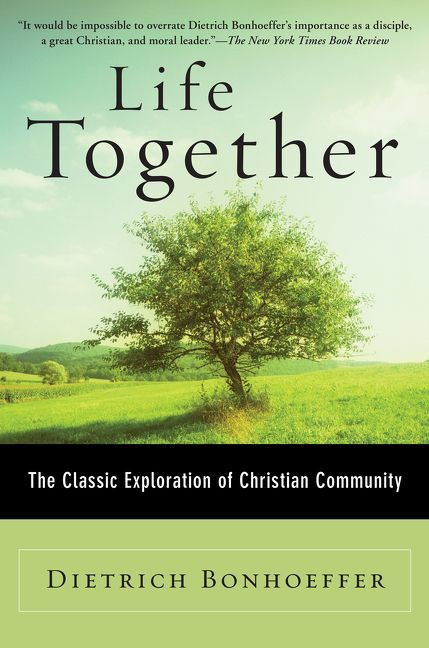
Dietrich Bonhoeffer’s Life Together remains a foundational text for understanding the dynamics of Christian fellowship. Written in 1938, during the height of the National Socialist regime in Germany, the book emerged from Bonhoeffer’s experiences leading an underground seminary at Finkenwalde. While the historical context is specific, the theological insights provide a timeless framework for how individuals interact within a faith-based collective. The work moves beyond mere social theory, positioning community not as a human ideal to be achieved, but as a divine reality to be received through Jesus Christ. This perspective challenges modern notions of individualism and highlights the necessity of structured spiritual discipline.
The Foundation of Fellowship
Central to Bonhoeffer’s argument is the distinction between "human" or psychological community and "spiritual" community. He warns that many enter fellowship with a "wish-dream" of what it should be, and when this dream is shattered, they often abandon the community. However, Bonhoeffer suggests that the disillusionment of these ideals is actually a necessary step toward genuine spiritual life. In a spiritual community, the members are bound together through Christ, rather than through emotional or social affinity. This means that the community exists only because of what God has done, and its primary purpose is to mediate the Word of God to one another.
Bonhoeffer emphasizes several key aspects of this shared life that define its health and sustainability:
- The Mediation of Christ: Individuals come to one another only through the person of Jesus Christ.
- The Reality of Sin: Community is composed of sinners who need grace, not perfect individuals.
- The Gift of the Other: The presence of a brother or sister is a physical sign of the presence of God.
The Rhythm of the Day
A significant portion of the book is dedicated to the practicalities of daily living. Bonhoeffer outlines a structured rhythm that balances corporate worship with individual responsibility. The day begins with common prayer and the reading of the Scriptures, particularly the Psalms. For Bonhoeffer, the Psalms are the prayer book of the Bible, teaching the community how to pray in alignment with God’s will rather than their own desires. This collective engagement with the Word ensures that the community remains anchored in objective truth rather than subjective feelings. The morning routine is designed to orient the heart toward service before the members depart for their daily tasks.
Following corporate worship, the members engage in their daily labor. Bonhoeffer views work not as a distraction from spiritual life, but as an integral part of it. Service in the world is the natural extension of the fellowship experienced in the morning. However, he also stresses the importance of "The Day Alone." He famously asserts that those who cannot be alone should beware of community, and those who are not in community should beware of being alone. Solitude provides the space for personal prayer and meditation, which in turn strengthens the individual’s contribution to the collective. This balance prevents the community from becoming a source of co-dependency or a means of escaping the self.
Ministry and Confession
The final chapters of the book focus on the specific ministries that sustain a healthy community. These are not formal ecclesiastical roles but everyday actions of service. The ministry of listening is paramount; Bonhoeffer suggests that many people seek a listener but find only those who want to talk. By listening, a Christian mirrors the listening ear of God. Other ministries include the ministry of helpfulness in small, mundane tasks and the ministry of bearing with one another’s burdens. These acts of service dismantle the ego and foster a sense of mutual accountability.
The culmination of Life Together is the practice of confession and the celebration of the Lord’s Supper. Confession is presented as the breakthrough to community. When a person confesses their sins to a brother or sister, the power of secret sin is broken, and the individual is restored to the fellowship of the cross. This leads naturally to the Eucharist, where the community is physically and spiritually united in the body of Christ. Through these practices, the community becomes a visible witness to the gospel in a fragmented world, offering a model of reconciliation and peace that transcends political or social boundaries.


Comments (0)